
Essential Tips and Practices for Navigating the World of Exotic Pet Care 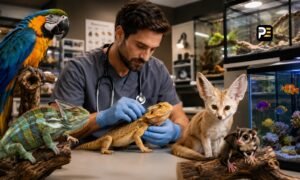
Getting a rare creature for your household sparks wonder, yet demands focused attention to unusual animal upkeep if they are to flourish. Traditional pets such as cats or dogs differ greatly – creatures like lizards, parrots, frogs, or tiny wild-type mammals rely on precise physical conditions. Learning basic principles behind caring for these beings marks the beginning of crafting a secure, stimulating space where they belong. Instead of guessing what works, thoughtful study shapes how you design their living area and choose proper food sources. Behind every thriving odd pet lies effort poured into knowledge, patience mixed with readiness to adapt. What follows uncovers essential truths about maintaining such animals, offering clarity so your distinct friend lives fully, safely, exactly as nature intended.
Creating Spaces for Unique Animal Partners
Starting right means building a piece of wild habitat within your living space. Most store-bought enclosures fall short unless they’re heavily adjusted. Take a jungle-dwelling gecko – it thrives when mist fills the air and tall branches line the walls. On the flip side, a sunbaked bearded dragon needs dry heat and open spots to warm itself. Getting climate details wrong can disrupt how these creatures manage basic bodily functions. Knowing temperature, moisture, light – those hidden factors – makes all the difference. Without help from their surroundings, they simply cannot survive.
Warm spots matter just as much as cool zones in your animal’s space. One area should help with food breakdown, while another lets them escape the warmth whenever they need. Light plays a big role too – reptiles depend on specific UV light to build strong bones through natural vitamin production. If humidity slips, heat stays uneven, or day-night patterns break down, even tough creatures may face joint problems or breathing trouble before long.
Sourcing and Balancing Complex Nutritional Requirements
Feeding a specialized animal is rarely as straightforward as opening a standard bag of dry kibble. A massive component of dedicated exotic pet care involves sourcing live insects, fresh vegetation, specific whole prey, or highly specialized pellets. For example, maintaining a healthy green iguana demands a precise balance of leafy greens and specific calcium-to-phosphorus ratios, while caring for a pet ferret requires a strictly carnivorous, high-protein diet. Mastering these distinct dietary profiles is an absolute must for anyone stepping into the realm of exotic pet care.
Malnutrition remains one of the leading causes of illness in non-traditional species, making careful meal planning a priority. You often need to dust live feeder insects with vitamin powders or feed the insects a nutrient-rich diet beforehand—a process known as gut-loading—to ensure your pet receives maximum nutrition. True exotic pet care means tracking what your animal consumes and paying close attention to changes in their appetite, as sudden shifts often serve as the earliest warning sign of underlying stress or hidden health complications.
Establishing Specialized Veterinary Relationships and Wellness Routines
Finding a qualified veterinarian who is deeply fluent in exotic pet care is a step that must be taken before you ever bring your new animal home. Most local neighborhood clinics are tailored primarily for canines and felines, meaning they may lack the delicate tools or specific training required to treat a fragile bird or a tiny sugar glider. Proactive exotic pet care relies heavily on preventative medicine, which means scheduling regular annual exams to screen for parasites, assess dental health, and run baseline blood panels.
These specialized veterinary visits are also the perfect time to discuss lifestyle adjustments and potential behavioral quirks. Because many non-traditional animals are prey species in the wild, they are evolutionary masters at hiding signs of pain, weakness, or disease until they are dangerously ill. Consequently, routine checkups are a foundational pillar of comprehensive exotic pet care, allowing a trained professional to catch subtle physical changes or microscopic issues long before they escalate into an expensive and terrifying medical emergency.
Promoting Mental Enrichment and Safe Social Interactivity
A truly happy animal needs more than just a clean cage and a full stomach to live a fulfilling life. Providing intentional mental stimulation and species-appropriate behavioral outlets is a frequently overlooked aspect of daily exotic pet care. Many people assume that smaller or less conventional animals do not require play, but creatures like parrots, rats, and even certain larger lizards possess remarkable cognitive abilities and can easily become bored, stressed, or self-destructive without proper engagement.
Integrating varied foraging toys, introducing safe new textures, and rearranging enclosure decors are excellent strategies to keep your pet’s mind sharp and active. Furthermore, understanding the social boundaries of your chosen species is a critical element of modern exotic pet care. While some animals crave regular daily handling and form incredibly deep bonds with their human keepers, others are strictly solitary creatures that prefer to be observed rather than touched. Respecting these boundaries keeps stress low and ensures a harmonious home.
Ultimately, the true secret to mastering exotic pet care is a continuous willingness to learn, adapt, and adjust your habits as your animal grows. It is a demanding path that requires patience, financial preparation, and a lot of specialized knowledge, but the reward of sharing your life with a genuinely remarkable creature makes every ounce of effort completely worthwhile.